
The Rise of Natural Stone: Exploring Its Popularity in 2026
- Joshua Allen Design Team

- 2 days ago
- 4 min read
Natural stone has become a defining feature in architecture, interior design, and landscaping in 2026. Its widespread use is no accident. This material offers a unique blend of durability, beauty, and sustainability that appeals to homeowners, designers, and builders alike. Understanding why natural stone is everywhere today reveals trends shaping the future of design and construction.

The Enduring Appeal of Natural Stone
Natural stone has been used for centuries, but its popularity has surged recently due to several key factors:
Timeless Beauty: Each piece of natural stone carries unique patterns and colors that cannot be replicated by synthetic materials. This individuality adds character and elegance to any space.
Durability: Stone withstands wear and tear better than many alternatives. It resists scratches, heat, and moisture, making it ideal for kitchens, bathrooms, and outdoor areas.
Low Maintenance: Unlike some materials that require frequent replacement or refinishing, natural stone ages gracefully with minimal upkeep.
Sustainability: As environmental concerns grow, natural stone’s longevity and minimal processing make it a more eco-friendly choice compared to manufactured materials.
These qualities explain why natural stone is a preferred choice for both modern and traditional designs.
How Natural Stone Fits into Modern Design Trends
In 2026, design trends emphasize authenticity and connection to nature. Natural stone fits perfectly into this mindset by bringing organic textures and colors indoors. Designers use stone in various ways:
Feature Walls and Fireplaces: Stone walls create striking focal points in living rooms and entryways.
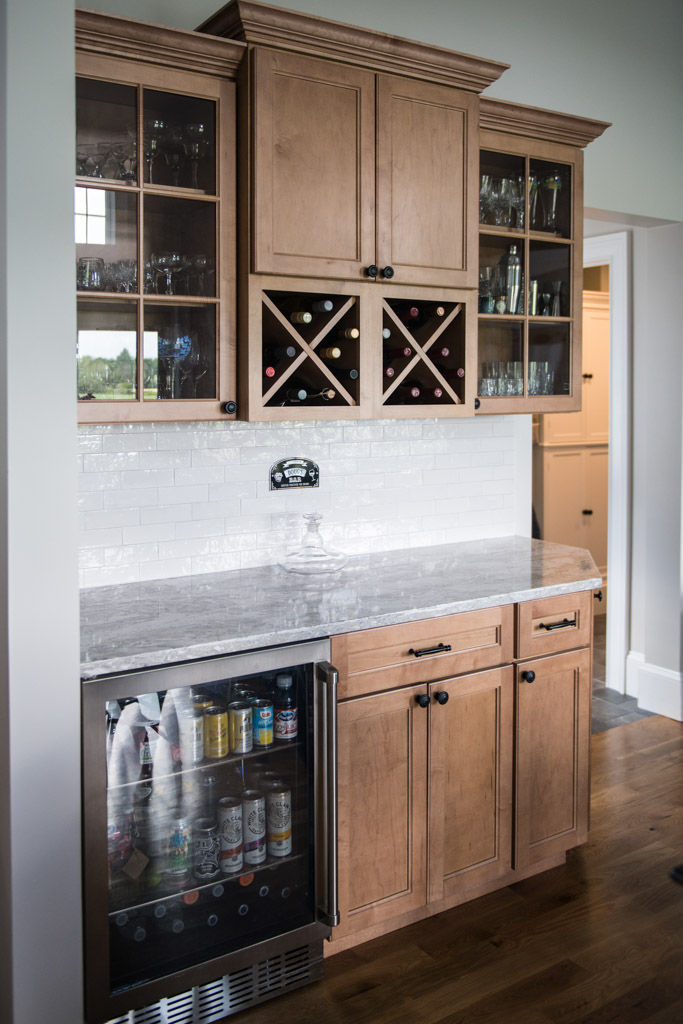
Countertops and Backsplashes: Kitchens benefit from the strength and beauty of granite, marble, or quartzite surfaces.
Flooring: Stone floors add elegance and coolness, especially in warmer climates.
Outdoor Spaces: Patios, garden paths, and pool surrounds made from stone blend seamlessly with natural landscapes.
The versatility of natural stone allows it to complement minimalist, rustic, industrial, and luxury styles alike.
Examples of Popular Natural Stones in 2026
Several types of natural stone dominate the market today, each with distinct characteristics:
Marble: Known for its smooth texture and veining, marble remains a symbol of luxury. It is often used in bathrooms and decorative accents.
Granite: Highly durable and resistant to heat, granite is a favorite for kitchen countertops and outdoor applications.
Quartzite: Combining the beauty of marble with the toughness of granite, quartzite is gaining popularity for its versatility.
Slate: Its rich colors and natural cleft surface make slate ideal for flooring and roofing.
Travertine: This porous stone offers a warm, earthy look, commonly used in flooring and wall cladding.
Each stone type offers unique benefits, allowing homeowners and designers to choose based on function and style preferences.

The Role of Technology in Natural Stone Use
Advances in technology have made natural stone more accessible and easier to work with:
Precision Cutting: Computer-controlled saws produce precise cuts, reducing waste and enabling complex designs.
Surface Finishes: New finishing techniques enhance stone’s texture and color while improving slip resistance.
Sealing and Protection: Improved sealants protect stone surfaces from stains and weather damage, extending their lifespan.
Sustainable Quarrying: Innovations in quarrying reduce environmental impact and improve stone extraction efficiency.
These developments have lowered costs and expanded design possibilities, contributing to natural stone’s rise.
Sustainability and Environmental Impact
Natural stone’s environmental benefits are a major reason for its popularity in 2026:
Longevity Reduces Waste: Stone’s durability means fewer replacements and less landfill waste.
Minimal Processing: Unlike synthetic materials, natural stone requires less energy to produce.
Recyclability: Stone can be reused or repurposed in new projects.
Local Sourcing: Many projects use locally quarried stone, reducing transportation emissions.
Choosing natural stone supports sustainable building practices and aligns with growing consumer demand for eco-friendly materials.
Practical Tips for Using Natural Stone in Your Space
If you are considering natural stone for your home or project, keep these tips in mind:
Match Stone to Use: Choose harder stones like granite for high-traffic areas and softer stones like marble for decorative features.
Consider Maintenance: Some stones require regular sealing; check care requirements before installation.
Work with Professionals: Skilled fabricators and installers ensure stone is cut and placed correctly.
Plan for Budget: Natural stone can be more expensive upfront but offers long-term value.
Combine Materials: Pair stone with wood, metal, or glass for balanced aesthetics.
These guidelines help maximize the benefits of natural stone while avoiding common pitfalls.

The Future of Natural Stone in Design and Construction
Looking ahead, natural stone will continue to shape design trends and building practices:
Integration with Smart Homes: Stone surfaces embedded with sensors or lighting will add functionality.
Customization: Advances in cutting and finishing will allow more personalized stone designs.
Hybrid Materials: Combining natural stone with engineered composites will create new textures and strengths.
Increased Use in Public Spaces: Natural stone’s durability and beauty make it ideal for airports, museums, and parks.
As sustainability and quality remain priorities, natural stone’s role will only grow stronger.
----------
Let’s bring your vision to life with thoughtful, timeless design. Get in touch with us here.
Thanks for reading! If you made it this far, we ❤️ and appreciate you! Please take another minute to follow us on social media: →instagram →facebook →tiktok →twitter/X →pinterest →linkedin →youtube →reddit.


Comments